
When Financial Security Becomes Systemic Risk
How a local technology failure can propagate through payments, funding, markets and confidence across the financial system
Introduction
Most cyber incidents remain local. A compromised workstation, a disrupted website or a contained data breach may be costly for the affected institution without changing the functioning of the wider financial system. Systemic risk begins when the failure reaches shared infrastructure, creates correlated disruption or changes the behaviour of other institutions through liquidity and confidence channels.
That distinction is crucial for market analysis. The severity of a financial-security event depends less on technical drama than on the functions and dependencies it reaches. A modest incident at a critical payment provider can matter more to markets than a sophisticated intrusion into a non-critical corporate system.
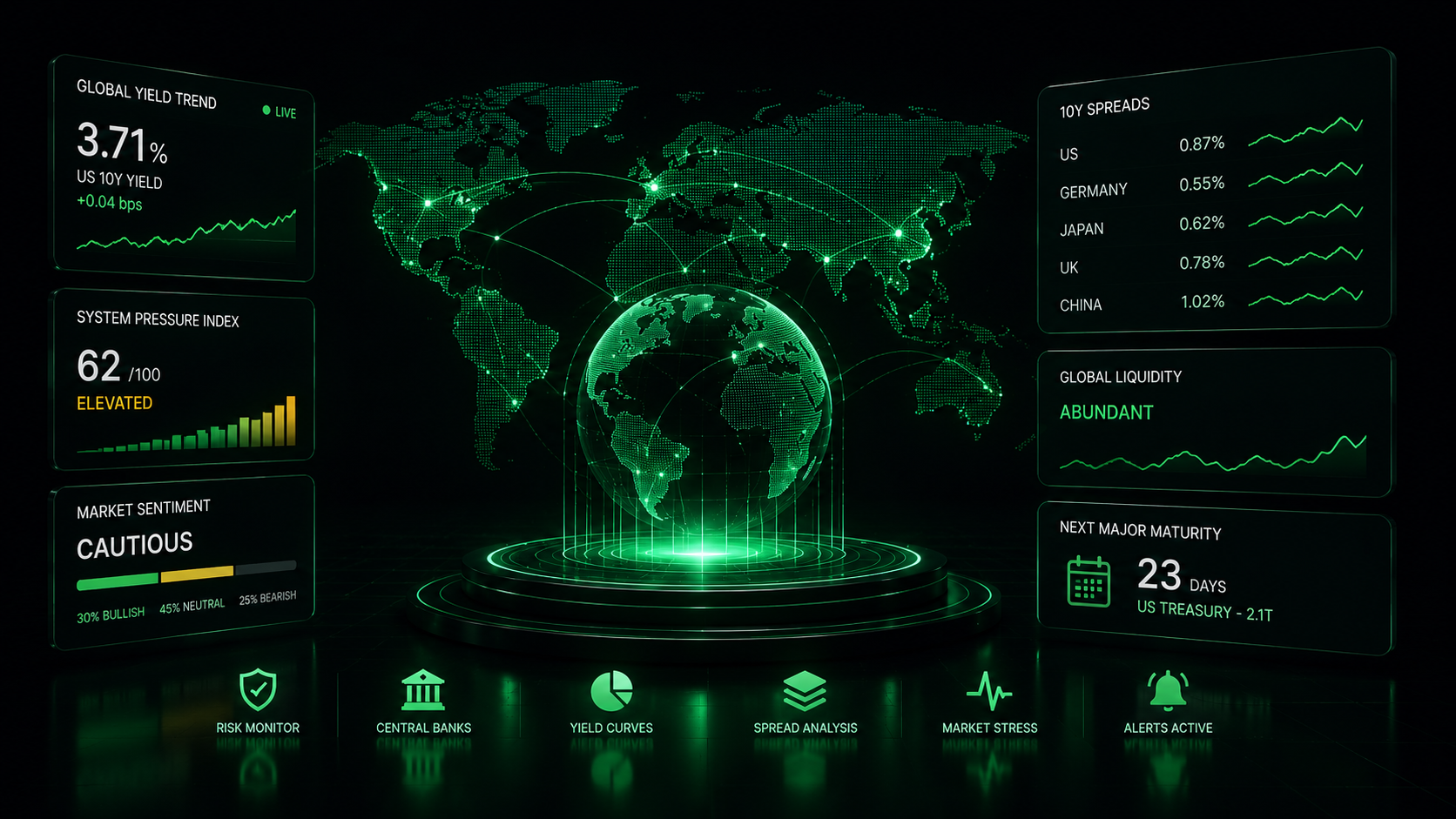
From Local Failure to Network Stress
Financial institutions are linked through payments, funding, clearing, custody and shared technology. A local outage can therefore propagate when counterparties cannot receive expected funds, settle trades or access a common service. The first-order loss may be small while the second-order effect grows through delays and defensive behaviour. Systemic analysis focuses on these transmission channels rather than only on the institution where the incident began.
A security incident becomes systemically relevant when it impairs a function on which many other institutions depend or when the response of affected firms creates common behavior. A bank may hoard liquidity because it is uncertain about payment processing, brokers may reduce exposure to a compromised counterparty, or several firms may lose access to the same infrastructure provider. The transmission channel is therefore financial and operational at the same time. Technology is the trigger, but network dependence determines the scale.
The Channels of Contagion
Operational failure can spread through several mechanisms. Payment delays can increase intraday liquidity needs, unavailable market infrastructure can prevent positions from being closed, and uncertainty can cause institutions to conserve cash or reduce exposures. Shared vendors can create direct correlated outages across many firms. Confidence adds another channel: participants may change behaviour before they understand the technical facts if they believe a critical function could be unreliable.
Contagion can travel through payment delays, settlement failures, unavailable market data, collateral uncertainty, client behavior and confidence effects. These channels reinforce one another because an operational outage can create liquidity needs while uncertainty makes counterparties less willing to extend flexibility. The most serious scenarios are those in which institutions cannot distinguish between a temporary technology problem and a compromise of financial records. Ambiguity itself can become a source of market stress.
Resilience Is a Market Property
No single institution can create systemic resilience alone because critical financial services depend on networks of counterparties and utilities. The relevant safeguards include central-bank liquidity, clearing arrangements, operational coordination, fallback communications and the ability of market infrastructures to recover in a consistent order. Resilience therefore emerges from the architecture of the market as a whole, not simply from the cybersecurity budget of one bank.
Individual institutions can strengthen their own controls and still remain exposed to weak common infrastructure. System resilience depends on exchanges, payment systems, clearing houses, data providers, telecom networks and cloud platforms functioning together under stress. This is why sector exercises and shared contingency arrangements matter. They test the handoffs between firms, not just the internal recovery plans of each participant, and expose coordination failures that only appear at network scale.
Security as Financial Stability
The closer an incident moves toward settlement, liquidity and trusted ownership records, the more it becomes a financial-stability issue. Regulators and market operators care about whether essential services remain available, whether losses can be contained and whether participants can continue to rely on the records that define obligations. This is where cybersecurity and traditional prudential risk meet: both are ultimately concerned with preventing one failure from destabilizing the broader system.
For policymakers, the objective is to prevent operational shocks from disrupting the core services through which the financial system allocates liquidity and settles obligations. That requires supervision of critical third parties, credible recovery arrangements and mechanisms for communicating during incidents without creating unnecessary panic. Cyber resilience therefore sits alongside capital and liquidity as another dimension of the system’s ability to absorb shocks. The risk is different, but the stability objective is similar.
Conclusion
Financial security becomes systemic risk when a technical failure changes the ability of multiple institutions to transact, settle or maintain confidence at the same time. The key analytical variables are concentration, interconnectedness, substitutability and recovery speed. For BondStats, this is the point at which cyber and operational resilience become directly relevant to market structure, liquidity and financial stability.
The boundary between cybersecurity and financial stability disappears when a technical event changes the ability of institutions to transact, settle, value assets or trust their records. Most incidents will never reach that threshold, but the architecture must be designed for the minority that could. For market analysis, the crucial question is always transmission: what function has failed, who depends on it, and how quickly can the system re-establish a trustworthy operating state?